


Promising Development in Blood Cancer: 12-Year-Old Child Recovers Thanks to CAR-T Therapy

This article was translated automatically from Turkish. Türkçe orijinal ›
A significant breakthrough has been achieved in the treatment of blood cancer in Vietnam. Doctors announced that the cancer had completely disappeared following CAR-T cell therapy administered to a 12-year-old girl.
According to information obtained from officials, it was decided to administer an advanced immunotherapy method called CAR-T (Chimeric Antigen Receptor T-Cell) in addition to traditional treatments for the child, who had been diagnosed with high-risk blood cancer.
Immune Cells Were Reprogrammed
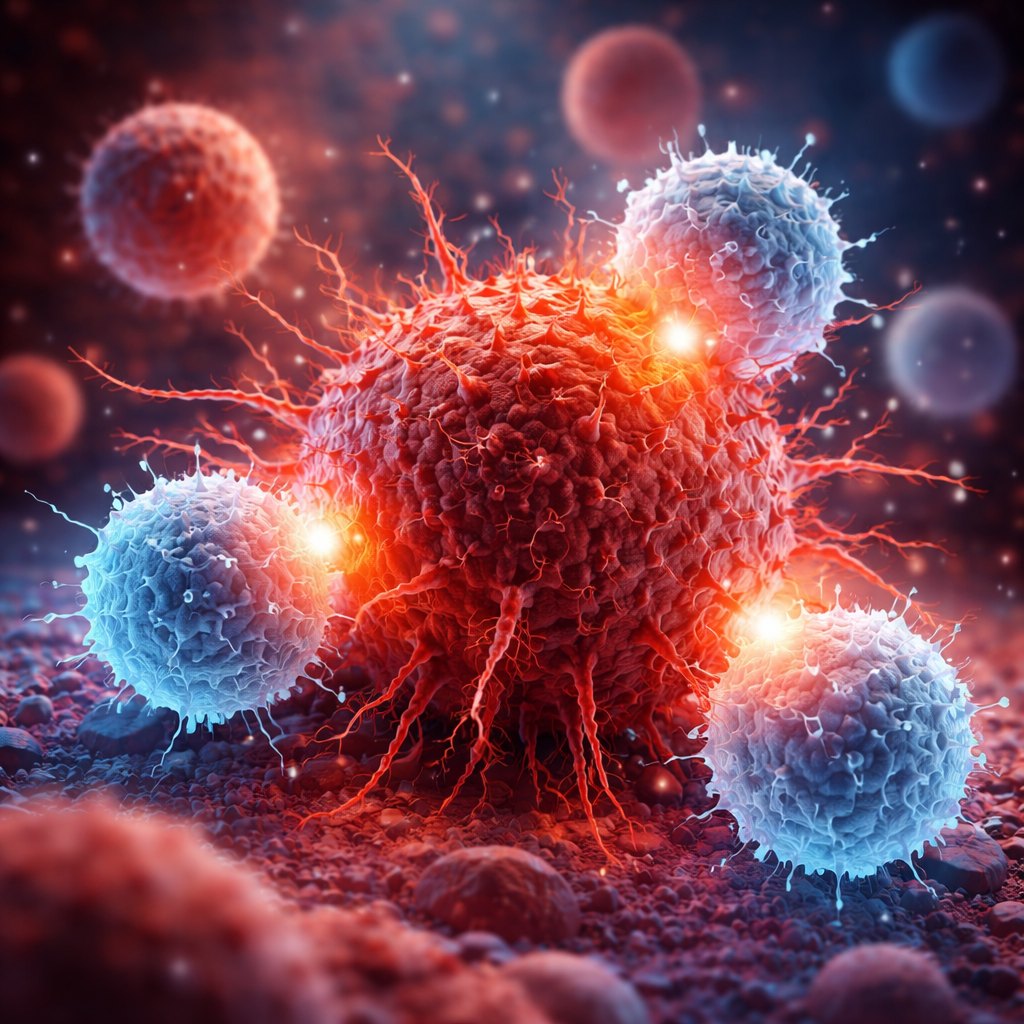
In CAR-T therapy, T cells taken from the patient’s own immune system are genetically modified in a laboratory setting. Special receptors are added to these cells that can recognize and bind only to cancer cells.
These “warrior cells,” multiplied by the millions in the laboratory, are then reinfused into the patient intravenously. Once inside the body, the CAR-T cells detect, target, and destroy the cancer cells.
Encouraging Results After a Challenging Process
Following the treatment, the patient experienced a fever and side effects that lasted for a few days. At the conclusion of the process, which took place under close medical supervision, follow-up examinations revealed no traces of cancer remaining.
Experts stated that the patient is in good health and that the recovery process is ongoing.
A First in Vietnam
This case went down in the records as the first pediatric patient in Vietnam to successfully complete CAR-T cell therapy. Health officials emphasized that this development marks a significant milestone for cancer treatments in the country.
“Not a Definitive Solution for All Cancers”
Experts note that while CAR-T therapy has yielded effective results, particularly in leukemia and certain types of blood cancer, it should not yet be considered a definitive treatment for all types of cancer. They state that research and clinical trials are ongoing for other types of cancer.
The scientific community, meanwhile, emphasizes that such successes hold great promise for the future of immunotherapy in the fight against cancer.


